Support WhatsApp: +44 785 643-7247
Practical Driving Test Pass Certificate: What You Need to Know

Practical Driving Test Pass Certificate
Quick answer: Yes. If you meet the legal requirements to drive after passing your practical test, you can usually drive immediately without waiting for your photocard licence to arrive. The practical driving test pass certificate is not your full driving licence, but it confirms you passed while your licence is being processed. Practical Driving Test Pass Certificate
driving disqualification appeal uk how to get an hgv licence how to get an lgv licence
Congratulations you’ve passed. Now let’s clear up the one thing that confuses almost every new driver at exactly this moment: what is this piece of paper the examiner just handed you, and what does it actually let you do?
This guide gives you absolute clarity, no hedging, on your practical driving test pass certificate what it is, when you can drive, and the one deadline you genuinely cannot afford to miss.
hgv licence uk lgv licence uk full hgv licence hgv licence requirements lgv licence requirements
What Is the DVSA Practical Test Pass Certificate?
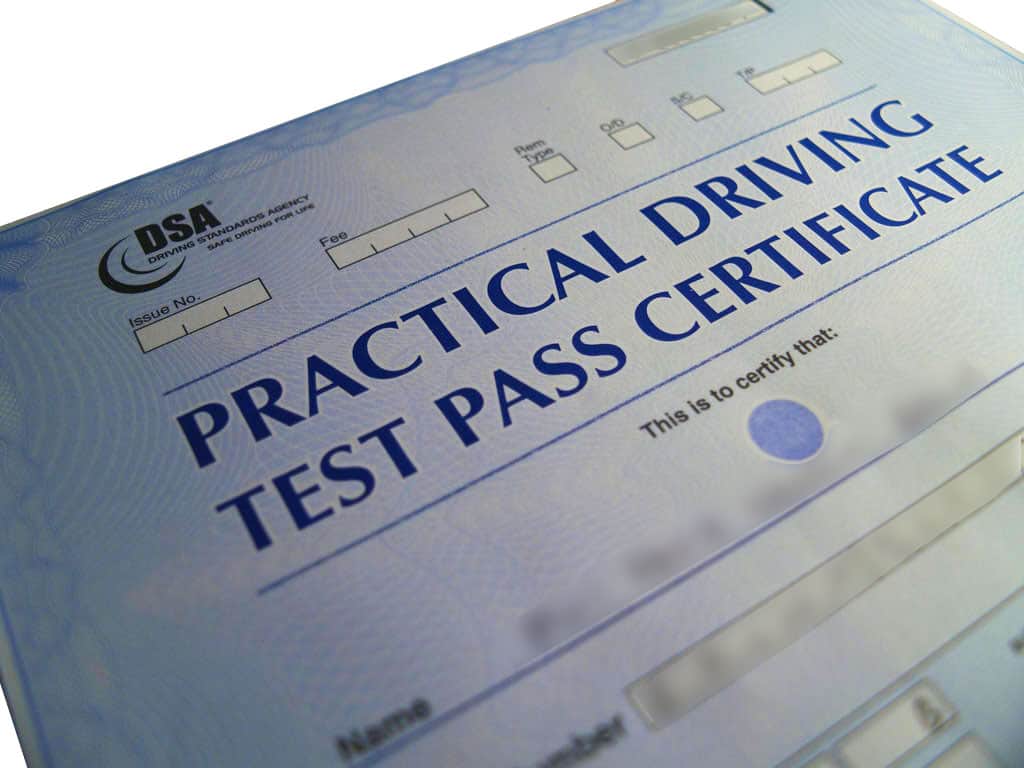
Your practical driving test pass certificate is the official document your examiner hands you the moment you pass. Its formal reference is form DVSA10 (in Northern Ireland, the equivalent document is called a DL8).
What it contains:
- Confirmation of your name and licence details
- The date you passed your practical test
- A declaration section, which matters if you end up needing to apply for your full licence manually (more on this below)
Why the examiner gives it to you: It’s your official proof of passing, issued on the spot, before DVLA’s systems have necessarily caught up. Think of it as a bridge document it exists specifically to cover the gap between the moment you pass and the moment your full photocard licence physically arrives.
hgv licence step by step lgv licence step by step apply for hgv licence
What it is NOT:
- It is not your driving licence
- It does not carry a photograph or licence categories in the way your photocard does
- It is not something you’re legally required to carry with you every time you drive
The Big Question: Can You Drive Immediately?
Yes. This is the part worth repeating clearly: you can drive completely unsupervised, on your own, immediately after passing your practical test. You do not need to wait for your photocard to arrive in the post. Practical Driving Test Pass Certificate
What you need in place before you drive, though, is non-negotiable:
- Valid insurance and this is the detail that catches people out. Your learner or provisional insurance policy stops being appropriate the moment you pass. You need a policy that covers you as a full licence holder, arranged before you drive independently, not after
- A taxed vehicle
- A roadworthy vehicle, with a valid MOT if the car is old enough to require one
Do you need to wait for your pink photocard? No. This is precisely what the pass certificate is for it bridges that gap. You’re legally entitled to drive as soon as you pass, using the certificate as informal proof if anyone asks, while your actual photocard licence makes its way to you separately.
One condition worth flagging: your legal right to drive stems from having passed the test and meeting the insurance and vehicle requirements above not from possessing the certificate itself. If you lost the certificate five minutes after leaving the test centre, it wouldn’t affect your right to drive at all, provided you’re properly insured. Practical Driving Test Pass Certificate
How the Automatic Upgrade Process Works
Here’s where most of the confusion happens, so let’s be direct about it.
In most cases, the upgrade to your full licence happens automatically you don’t do anything.
The automatic process:
- You hand your provisional photocard licence to the examiner after passing
- The examiner arranges for DVLA to be notified of your pass
- DVLA processes your upgrade from provisional to full entitlement
- Your new full photocard licence is posted to you, typically within around three weeks
You’ll need to apply manually instead if any of the following apply:
- You didn’t hand your provisional photocard to the examiner for example, because you needed it as ID that day
- Your name or address has changed since your provisional licence was issued, and no longer matches
- You hold an old-style paper provisional licence, issued before 1998
| Automatic Upgrade | Manual Application | |
|---|---|---|
| Who it applies to | Most learners who hand over their provisional photocard | Anyone who kept their photocard, changed details, or holds an old paper licence |
| What you need to do | Nothing — it happens on its own | Complete form D1, sign your pass certificate declaration, send original ID documents |
| Typical timeframe | Around 3 weeks | Varies, depending on processing volumes |
| Cost | Free | Free (unless converting a very old pre-2004 licence, in specific circumstances) |
| Deadline | N/A — DVLA already has your result | Must be sent within 2 years of your pass |
If you need to apply manually, send your signed pass certificate declaration, a completed form D1, original identity documents, your provisional licence, and a passport photo (if you hold a paper licence) to:
DVLA, Swansea, SA99 1BN
The 2-Year Deadline You Cannot Miss
This is the single most important date in this entire article, so treat it as such.
If you fall into the manual application category above, you must send your documents to DVLA within two years of the date you passed your practical test.
Miss that deadline, and here’s exactly what happens: your pass certificate expires, and it can no longer be used to claim your full licence. You would need to retake your practical test from scratch full stop, no exceptions, no extensions.
Who this deadline actually affects:
- If your upgrade happened automatically, this deadline is largely irrelevant to you DVLA already has your result and is processing it without any input from you
- If you’re in the manual application group, this is a hard, unmovable date
Practical advice if you’re in the manual group: don’t leave this for “someday.” Sort your form D1 and documents within weeks of passing, not years. Two years sounds generous until life happens a house move, a lost certificate, a busy year — and suddenly you’re up against a deadline you didn’t track.
What If You Lose Your Pass Certificate?
Short answer: it’s an inconvenience, not a crisis, in almost every case.
If your upgrade was automatic: losing the certificate has no real consequence. DVLA already has your result on file, your licence is already being processed or has already arrived, and the certificate itself has effectively done its job.
apply for lgv licence hgv provisional licence lgv provisional licence
If you need to apply manually and you’ve lost the certificate: this is more significant, since you need to sign its declaration section as part of your form D1 application. Contact DVLA directly to explain your situation before your two-year window closes.
To check your current status either way:
- Use the free “view or share your driving licence” service on GOV.UK
- Enter your licence number to confirm whether your record already shows full entitlement
- If it’s been more than three weeks since your test and nothing has changed or arrived, that’s the point to contact DVLA directly
Common Myths About the Pass Certificate
Myth: “The pass certificate is my driving licence.” It isn’t. It’s proof you passed, used to bridge the gap before your actual photocard licence arrives.
Myth: “I can’t drive until my photocard arrives.” False. You can drive immediately after passing, provided you’re insured as a full licence holder and your car is taxed and roadworthy.
Myth: “I need the paper certificate at all times.” No. It isn’t a document you’re legally required to carry on every journey.
Myth: “I’ll automatically lose my pass if I misplace the certificate.” Not true for the majority of drivers whose upgrade happens automatically. It only becomes a genuine issue for those needing to apply manually before the two-year deadline.
Frequently Asked Questions
Can I drive immediately after passing my practical test? Yes, provided you have insurance covering you as a full licence holder and your car is taxed and roadworthy. You don’t need to wait for your photocard to arrive.
Is the pass certificate my full driving licence? No. It’s form DVSA10, proof that you passed your test, used as a bridge document while your actual photocard licence is processed and posted to you.
How long is the pass certificate valid? If you need to apply for your licence manually, you must do so within two years of passing. If your upgrade is automatic, this deadline doesn’t apply to you.
Does the DVLA automatically send my full licence? Yes, in most cases, provided you handed your provisional photocard to the examiner and your name and address match your current details. It typically arrives within around three weeks.
What if I lose my pass certificate? If your upgrade is automatic, it has little practical effect. If you need to apply manually, contact DVLA promptly, since you’ll need to sign the certificate’s declaration as part of your application.
Do I need to carry the certificate while driving? No. It isn’t a legal requirement to carry it with you, though it can serve as useful informal proof of your pass while you wait for your photocard.
How do I check if my licence has been updated? Use the free “view or share your driving licence” service on GOV.UK, entering your licence number to see your current entitlements.
Can I hire a car before my photocard arrives? Often yes, using an online licence check code as proof of entitlement, though it’s worth confirming directly with the hire company what they’ll accept.
What happens if my licence does not arrive? Wait until it’s been at least three weeks since your test, check your status online, and contact DVLA directly if your record still hasn’t updated. driving licence
Where can I find official DVLA guidance? Always refer directly to GOV.UK’s pages on getting your full driving licence and checking your licence status, rather than relying on secondhand advice.