Support WhatsApp: +44 785 643-7247
UK Driving Test Tips
I’ve sat in the passenger seat for thousands of driving tests over the years, and if there’s one thing I’ve learned, it’s this: most learners who fail don’t fail because they can’t drive. They fail because nerves get the better of them, or because a small habit they’d been getting away with in lessons finally catches up with them on the day. pass driving test first time
The good news is that both of those things are entirely within your control. In this guide, I’ll walk you through exactly what happens during the UK practical driving test, the mistakes I see time and time again as an instructor, and the specific, practical tips that actually make a difference not vague advice like “stay calm,” but the real techniques I teach my own pupils before test day. DVSA practical driving test, how long does a uk driving licence last
Whether this is your first attempt or you’re coming back after a fail, by the end of this article you’ll know exactly what to expect and how to walk into that test centre with genuine confidence. UK Driving Test Tips
Understanding the UK Practical Driving Test
Who Conducts the Test?
Your test is carried out by a DVSA driving examiner a qualified professional trained specifically to assess learner drivers against a national standard. They’re not looking to catch you out. Their job is to check you can drive safely and independently, not to trip you up with trick questions or unfair judgement calls. what happens if i lose my uk driving licence
How Long Does the Test Take?
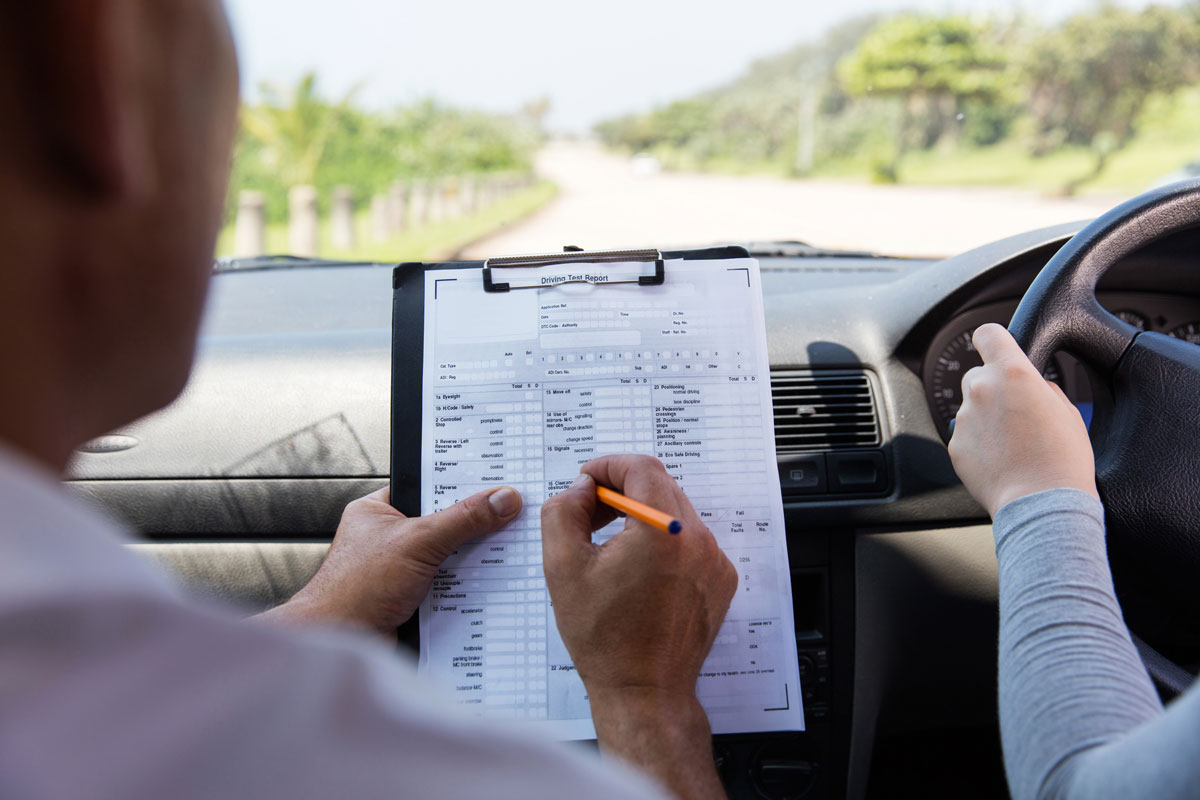
The practical driving test lasts around 40 minutes in total. That includes the eyesight check, vehicle safety questions, general driving, independent driving, and at least one manoeuvre. UK Driving Test Tips
What Happens on Test Day?
Here’s the order things usually run in:
- Eyesight check
- Vehicle safety questions (“Show Me, Tell Me”)
- General driving in mixed traffic conditions
- Independent driving section
- One or more manoeuvres
- Possible emergency stop
- Your result, given immediately
What Documents Must You Bring?
You must bring your provisional driving licence (photocard). If you don’t have it with you, your test won’t go ahead and you’ll lose your fee. There’s no need to bring your theory test certificate the examiner checks this electronically but it’s worth having your theory pass number handy just in case. UK Driving Test Tips
Preparing Before Your Driving Test
Practise Consistently
Learners who have lessons spread out sparingly over months tend to progress more slowly than those who drive regularly. Aim for consistency rather than cramming everything into the final fortnight. UK Driving Test Tips
Take Mock Driving Tests
Ask your instructor to run a full mock test in the weeks before your real one, ideally on routes similar to those used by your local test centre. This helps you get used to the format and timing without the pressure of it counting. how to report lost uk driving licence to dvla
Know Your Local Test Routes
While you can’t predict your exact route, most test centres use a limited number of common routes. Driving around your test centre’s typical roads in advance including tricky junctions or roundabouts known locally builds real familiarity and reduces surprises.
Improve Hazard Awareness
Get into the habit of scanning further ahead, not just at the car in front. Notice pedestrians near the kerb, cyclists approaching junctions, and parked cars that might move off. This is exactly what the hazard perception test measures, and it’s a skill examiners are watching for constantly during your practical. practical driving test UK
Build Confidence Behind the Wheel
Confidence comes from repetition, not luck. The more varied situations you’ve driven in dual carriageways, narrow residential streets, busy roundabouts — the calmer you’ll feel when your test throws one of them at you. how to get a replacement uk driving licence
Sleep Well Before Your Test
Tiredness affects reaction time and concentration more than most learners realise. Treat the night before your test like the night before an important exam, because that’s exactly what it is.
Eat Before Your Appointment
Don’t take your test on an empty stomach. Low blood sugar makes it harder to concentrate and can make nerves feel worse than they are.
Choose Suitable Clothing and Footwear
Wear comfortable clothes that don’t restrict your arm movement, and shoes with a thin, flat sole so you can properly feel the pedals. Thick trainers or heavy boots can make clutch control noticeably harder. Practical Test
What to Bring on Driving Test Day
Provisional Licence
Your photocard provisional licence is mandatory. No licence, no test this rule is applied strictly, so double check the night before, not the morning of.
Theory Test Requirements
You don’t need a paper certificate, but knowing your theory pass number saves time if there’s ever a system issue at check-in.
Suitable Vehicle Requirements
If you’re using your instructor’s car, they’ll handle the insurance and roadworthiness side of things. If you’re using your own car, it must be taxed, insured for test use, display L-plates, and have no warning lights showing on the dashboard. Practical Test
Vehicle Safety Checklist
Before you even set off, the examiner expects the car to be in good order:
- Tyres with legal tread depth and correct pressure
- Working lights, indicators, and horn
- Clean windows and mirrors
- No dashboard warning lights
- A valid MOT certificate, if applicable
What Happens During the Driving Test?
Eyesight Check
Before you even start the engine, you’ll be asked to read a number plate from 20 metres away. Fail this, and the test ends immediately, so if you need glasses or contact lenses for driving, make sure you’re wearing them. practical driving test UK
Vehicle Safety Questions
Known as “Show Me, Tell Me” questions, these check your basic understanding of vehicle safety and maintenance.
Show Me, Tell Me Questions
More detail on this below, since it trips up more learners than it should for something so preventable.
General Driving Section
This is the bulk of your test driving through a variety of road types and traffic conditions while the examiner assesses your control, observation, and decision-making Practical Test .
Independent Driving Section
For around 20 minutes, you’ll drive independently, following directions from a sat-nav or a series of road signs, without turn-by-turn instructions from the examiner.
Sat-Nav Driving
Most tests use a sat-nav for the independent section, though sometimes you’ll follow road signs instead. Don’t panic if you miss a turn — going the “wrong” way during independent driving isn’t marked as a fault as long as you drive safely throughout.
Manoeuvres
You’ll be asked to complete one of several manoeuvres, which might include a parallel park, a bay park (forward or reverse), or pulling up safely on the right-hand side of the road before reversing back.
Emergency Stop
Around one in three tests includes an emergency stop, where the examiner asks you to stop the car as quickly and safely as possible when they raise their hand, simulating a sudden hazard.
Mastering the Show Me, Tell Me Questions
What Are They?
These are two vehicle safety questions: one “tell me,” asked before you start driving, and one “show me,” asked while you’re driving.
How They Are Marked
Getting one wrong counts as a driving fault, not an automatic dangerous fault, so don’t panic if you fumble one. It won’t fail you on its own to get a practical driving test UK.
Most Common Questions
Typical examples include:
- How you’d check the brake lights are working
- How you’d check the horn works
- How you’d demonstrate using the windscreen washer and wipers
- How you’d check power-assisted steering is functioning correctly
How to Answer Confidently
Learn the standard official answers from the DVSA’s list, and practise saying them out loud in the car, not just reading them silently. Saying them under pressure is a different skill from recognising the right answer on a page. practical driving test UK
Understanding Driving Faults
What Is a Minor Fault?
A minor fault is a small error that doesn’t put anyone in danger, like slightly hesitant positioning or a slightly late mirror check that didn’t affect anything.
What Is a Serious Fault?
A serious fault is a potentially dangerous action, even if nothing actually went wrong. Even one serious fault results in failing the practical driving test UK.
What Is a Dangerous Fault?
A dangerous fault is an error that caused actual danger to you, the examiner, another road user, or property. This also results in an immediate fail.
How Many Minor Faults Can You Have?
| Fault Type | Definition | Effect on Result |
|---|---|---|
| Minor fault | Small, non-dangerous error | Up to 15 allowed; still pass |
| Serious fault | Potentially dangerous action | Automatic fail |
| Dangerous fault | Caused actual danger | Automatic fail |
The Most Common Reasons People Fail the UK Driving Test
Every experienced instructor has seen the same mistakes crop up again and again. Here’s a breakdown of the usual suspects, and what I tell my pupils to do instead.
| Common Mistake | Why It Happens | How to Avoid It |
|---|---|---|
| Poor observation at junctions | Rushing or not looking far enough | Pause, look properly both ways, don’t just glance |
| Missed mirror checks | Forgetting under pressure | Build mirror checks into every manoeuvre as a habit, not an afterthought |
| Roundabout positioning | Uncertainty about lane choice | Practise the same roundabouts repeatedly until lane choice feels automatic |
| Incorrect road positioning | Drifting too close to the kerb or centre line | Use markers on the road (like the centre line) to judge your position consistently |
| Poor speed control | Driving too slowly through nerves, or too fast through overconfidence | Match your speed to the road and conditions, not to how nervous you feel |
| Parking control issues | Rushing the manoeuvre | Slow down, use reference points, and take your time — there’s no rush penalty |
| Hesitation at junctions | Overthinking a safe gap | Trust a genuinely safe gap when you see one; excessive hesitation is itself a fault |
| Missed or late signals | Forgetting to signal in good time | Signal early and clearly, even if the road looks empty |
| Poor lane discipline | Drifting between lanes or straddling lines | Choose your lane early and commit to it |
| Reverse manoeuvre wobbles | Lack of practice with reference points | Practise the same manoeuvre repeatedly until your reference points feel natural |
Top 20 Driving Test Tips to Pass First Time
Here’s the practical, no-nonsense advice I give every pupil before test day.
- Exaggerate your mirror checks slightly. Not a fast flick a proper head movement the examiner can clearly see you making, timed just before you signal or change direction.
- Say “left, right, left” style checks out loud in your head as a running commentary, even though you won’t be graded on narrating — it keeps your observation habits sharp under pressure.
- Keep your steering smooth, using a relaxed grip rather than gripping the wheel tightly through tension.
- Match your speed to the road, not your nerves. Driving too slowly through a 30 zone is just as noticeable to an examiner as driving too fast.
- Read road signs early so you’re never caught reacting at the last second to a speed change or junction.
- Stay calm after a mistake. One wobble doesn’t fail you panicking afterwards and making a second, bigger mistake is what actually costs most learners the test.
- Use commentary driving in your lessons (narrating hazards out loud to your instructor) as a training tool, even though you won’t do this in the real test it builds the habit of noticing hazards early.
- Check your blind spot properly, not just your mirrors, especially when moving off or changing lanes.
- Select the correct gear for your speed, rather than holding onto a gear too long out of habit.
- Plan your position on roundabouts before you arrive, not as you’re entering them.
- Treat the independent driving section like normal driving. It isn’t a memory test — going the “wrong” way isn’t a fault as long as you handle it safely.
- Don’t fixate on the sat-nav screen. Glance at it briefly, then focus back on the road.
- Practise your manoeuvres until your reference points feel automatic, not just memorised.
- Take your time with manoeuvres. There’s no bonus for speed, and rushing causes most of the wobbles I see.
- Keep both hands on the wheel unless changing gear or signalling.
- Pull away smoothly, avoiding stalling by finding the biting point calmly rather than rushing the clutch.
- On a hill start, hold the car steady using the handbrake and clutch together, rather than rolling backwards.
- Don’t argue with the examiner or second-guess your own safe decisions out loud. Confidence in your own judgement matters.
- Book your test only once your instructor confirms you’re consistently at test standard, not just on a good day.
- Arrive early, so you’re not adding unnecessary stress on top of natural test-day nerves.
What Happens If You Pass?
Receiving Your Practical Test Certificate
If you pass, your examiner hands you a certificate on the spot, and you’re legally allowed to drive unsupervised immediately, without L-plates, as long as you’re properly insured.
Getting Your Full UK Driving Licence
In most cases, the DVLA automatically upgrades your provisional record to a full licence based on your pass being registered electronically.
How Long the DVLA Takes
Your new photocard licence usually arrives within a few weeks. If it hasn’t shown up after three weeks, contact the DVLA to check your application status.
What Happens If You Fail?
Understanding the Examiner’s Report
Your examiner will explain exactly which faults were recorded and why. Listen carefully and ask questions if anything isn’t clear — this report is the single best resource for your next attempt.
Booking Another Test
You must wait at least 10 working days before retaking your test, and you’ll need to pay the test fee again.
Learning From Mistakes
Go through the report with your instructor and target specific practice sessions around whatever came up, rather than just repeating general lessons. A fail for roundabout positioning needs different focus to a fail for reverse manoeuvres.
Common Myths About the UK Driving Test
Myth: Examiners have pass quotas. Untrue. Examiners assess each test purely against the national driving standard, not against a target number of passes or fails Practical driving test.
Myth: You fail for one minor mistake. Untrue. You can accumulate up to 15 minor faults and still pass. It’s serious or dangerous faults that end a test.
Myth: Morning tests are easier. There’s no solid evidence for this. Traffic patterns vary by test centre and time of day far more than by morning versus afternoon generally Practical driving test.
Myth: Sat-nav driving is harder than following signs. Neither is inherently harder. Both simply assess your ability to drive independently while following directions, and going off-route isn’t marked as a fault if you continue driving safely.
Final Driving Test Checklist
Use this as your final run-through before test day.
Documents
- Provisional licence (photocard)
- Theory test pass number, just in case
Vehicle
- Valid tax and insurance
- Legal tyre tread and correct pressure
- No dashboard warning lights
- L-plates displayed correctly
- Clean windows and mirrors
Mental Preparation
- A full night’s sleep
- Something to eat beforehand
- Comfortable clothing and thin-soled shoes
- A clear plan for handling nerves if they arise
Practical Reminders
- Arrive early
- Bring glasses or contact lenses if needed for driving
- Stay calm after any small mistake and keep driving normally
Conclusion
Passing your UK driving test first time isn’t about luck it’s about consistent practice, understanding exactly what the examiner is looking for, and knowing how to handle the inevitable small wobble without letting it snowball into a bigger mistake. Focus on your observation, keep your speed matched to the road, and treat the independent driving section like any other stretch of normal driving.
When your instructor confirms you’re consistently at test standard, book your test with confidence. You’ve prepared for this now it’s just a matter of doing what you already know how to do.
Frequently Asked Questions
How can I pass my UK driving test first time? Practise consistently, know your local test routes, and focus on strong observation and smooth control. Book your test only once your instructor confirms you’re consistently driving at test standard, not just occasionally.
What are the most common reasons people fail the driving test? The most common causes are poor observation at junctions, missed mirror checks, incorrect roundabout positioning, and hesitation. Most of these come down to habits that need repeated, focused practice to fix.
How many minor faults are allowed? You can have up to 15 minor faults and still pass your test. However, even a single serious or dangerous fault results in an automatic fail, regardless of how well the rest of the test went.
What are the Show Me, Tell Me questions? These are two vehicle safety questions asked during your test: one before you start driving (“tell me”) and one while driving (“show me”). Getting one wrong only counts as a minor fault.
How long is the practical driving test? The UK practical driving test lasts around 40 minutes, covering the eyesight check, vehicle safety questions, general driving, independent driving, and at least one manoeuvre.
What should I bring to my driving test? You must bring your provisional photocard driving licence, or your test cannot go ahead. It’s also useful to know your theory test pass number in case it’s needed at check-in.
What happens if I fail my driving test? Your examiner explains the faults recorded during your test. You must wait at least 10 working days before rebooking, and you’ll need to pay the test fee again for your next attempt.
Can I use my own car for the practical test? Yes, as long as it’s taxed, insured for test use, displays L-plates, and has no dashboard warning lights showing. Many learners instead use their instructor’s dual-control car.
How soon can I retake the driving test? You must wait a minimum of 10 working days after a fail before booking another practical test. Many learners use this time to focus practice on the specific faults identified.
What manoeuvres are included in the UK driving test? You’ll be asked to complete one manoeuvre, which could be a parallel park, forward or reverse bay park, or pulling up on the right before reversing back safely.
Is the independent driving section difficult? Not if you treat it like normal driving. It simply tests your ability to follow sat-nav or sign directions independently. Taking a wrong turn isn’t a fault as long as you continue driving safely.
What is the emergency stop test? The emergency stop happens in roughly a third of tests. The examiner raises a hand as a signal, and you must stop the car quickly, safely, and under control, as if reacting to a sudden hazard.
How-To Schema Steps
- Apply for a provisional licence – Apply online via GOV.UK before you can start learning to drive.
- Pass the theory test – Study the Highway Code and practise hazard perception clips regularly.
- Take professional driving lessons – Learn with an ADI-approved instructor to build core skills.
- Practise independently where legally permitted – Practise with a qualified supervisor aged 21+ to build extra hours.
- Book your practical driving test – Book through GOV.UK once your instructor confirms you’re at test standard.
- Prepare your documents and vehicle – Bring your provisional licence and ensure the car meets safety requirements.
- Complete the eyesight check and Show Me, Tell Me questions – Read a number plate from 20 metres and answer two safety questions.
- Complete the practical driving test – Drive through general traffic, independent driving, and at least one manoeuvre.
- Receive your result – The examiner explains your result immediately after the test.
- Obtain your full UK driving licence – The DVLA automatically issues your full photocard licence after a pass.