Support WhatsApp: +44 785 643-7247
How to Move from CBT to a Full Bike Licence: Step-by-Step Guide (2026)

How to Move from CBT to a Full Bike Licence
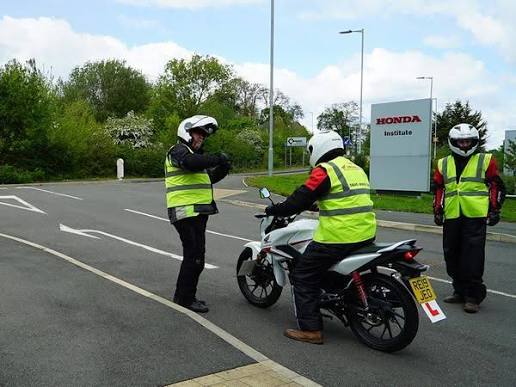
Passed your CBT and loving every ride since? Good now let’s get you off L-plates for good. CBT gets you started, but it’s a stepping stone, not a destination. Here’s exactly how to turn it into a genuine full motorcycle licence, phase by phase, with no wasted time or misdirected effort. motorcycle licence
The Baseline: Understanding Your CBT Expiry Window
Before anything else, know exactly what your CBT does and doesn’t let you do — and how long you’ve actually got. motorcycle licence
What CBT allows you to ride:
- With L-plates displayed, you can ride a motorcycle or moped matching your provisional entitlement
- No motorways, and no carrying passengers while riding on CBT alone
- Every ride must stay within your provisional licence’s category restrictions
How long your CBT certificate (DL196) is valid:
- Two years from the date you completed it
- This is your genuine deadline — not a soft suggestion. Ride on an expired CBT and you’re riding illegally, full stop motorcycle licence
When you need to upgrade:
- The moment you want to ride without L-plates, carry a passenger, use motorways, or ride a machine beyond your provisional restrictions
- Two years sounds like plenty of time until it isn’t. Life gets busy, and plenty of riders let this window close without meaning to. If you’re already six months or more into your CBT validity, treat the rest of this guide as your action plan, not a someday project
Step 1: Choose Your Full Licence Pathway (A1 vs A2 vs Category A)
Get this decision right before you book a single lesson — it shapes your training, your test bike, and how soon you’re eligible.
| Licence Category | Minimum Age | Motorcycle Limits | Upgrade Route |
|---|---|---|---|
| A1 | 17 | Up to 125cc and 11kW | Upgrade to A2 once you meet the age requirement and pass the required tests |
| A2 | 19 | Up to 35kW | Upgrade to Category A through progressive access or direct testing once eligible |
| Category A | 24 (or 21 via progressive access) | Any motorcycle, no power limit | Full, unrestricted motorcycle licence |
A1 pathway: suits younger riders or anyone wanting practical, affordable transport on smaller machines. It’s also the natural first rung if you’re not yet old enough for A2.
A2 pathway: genuinely the sweet spot for most adult riders starting out. 35kW is a meaningful step up from A1’s 125cc limit, giving you real motorway-capable performance while still building experience before going fully unrestricted.
Category A via progressive access: available from age 21, provided you’ve already held an A2 licence for a minimum of two years. This is the natural next step if you started on A2 as a 19-year-old. motorcycle licence
Category A via Direct Access Scheme (DAS): available from age 24, letting you skip A1 and A2 entirely and go straight to a full, unrestricted licence.
Quick decision guide:
- ☐ Under 19? Start with A1
- ☐ 19–23 and want a genuine performance step up now? A2 is your route
- ☐ 21–23 and already held A2 for two years? Progressive access to Category A
- ☐ 24 or over and want to skip the staged categories entirely? DAS is built for you
Step 2: Conquer the Motorcycle Theory Test
Whichever pathway you’ve chosen, this comes before either practical module — no exceptions.
Test format:
- 50 multiple-choice questions, covering road law, hazard awareness, and motorcycle-specific scenarios
- A separate hazard perception section, using video clips of developing road hazards
Official pass marks: you’ll need a strong majority correct on the multiple-choice section, plus a competent hazard perception score, to pass overall. motorcycle licence
Test fee: £23, identical to the car theory test, booked through the official DVSA service.
Best revision resources:
- Official DVSA theory test materials and the Highway Code — start here, not generic apps
- Motorcycle-specific question banks, since the content covers filtering, positioning, and rider visibility — scenarios a car-focused revision tool won’t touch
- Practise hazard perception in short, regular sessions, not one long cram close to test day
One tactical note: your theory pass is valid for two years, same as your CBT. If your CBT window is closing, don’t let theory revision be the thing that stalls your progress — book it as soon as you’re genuinely ready, not “eventually.”
Step 3: Master the Practical Exams (Module 1 and Module 2)
Two separate tests make up your full practical assessment, and treating them as genuinely distinct skills — not one combined hurdle — makes both far more manageable.
Module 1 — off-road manoeuvres:
- Takes place in a private, closed test area, no public roads involved
- Covers slow-speed control (including the figure-of-eight and slow ride) and higher-speed exercises (controlled braking, swerve avoidance)
- Test fee: £15.50
Common reasons candidates fail Module 1:
- Under-practised slow-speed balance, especially the figure-of-eight
- Putting a foot down during exercises requiring sustained control
- Rushing exercises instead of building smooth, consistent throttle and clutch control beforehand
Module 2 on-road riding assessment:
- A real-road test lasting roughly 40 minutes, examiner following by radio contact
- Includes a stretch of independent riding, similar in spirit to the car test’s independent driving section
- Test fee: £75 weekday / £88.50 evening, weekend, or bank holiday
Examiner expectations on Module 2:
- Confident, decisive positioning and speed appropriate to conditions
- Clear, consistent observation, especially at junctions
- Smooth, controlled machine handling throughout, not just during obvious hazards
Common faults on Module 2:
- Poor junction observation
- Hesitancy that creates a hazard for traffic behind you
- Riding too close to parked vehicles or roadside hazards
Quick practical test prep checklist:
- ☐ Valid theory test pass in hand before booking either module
- ☐ Sufficient practice on slow-speed manoeuvres specifically, not just general riding
- ☐ A test-day motorcycle matching your intended licence category’s specifications
- ☐ Valid CBT certificate, insurance, tax, and MOT (where applicable) for your test bike
- ☐ Appropriate protective gear, including an approved helmet
Why the Direct Access Scheme Is the Ultimate Route for Riders Over 24
If you’re 24 or older, this section is genuinely worth reading twice.
What DAS actually gives you: the ability to skip A1 and A2 entirely and train directly for a full, unrestricted Category A licence — any motorcycle, no power limit, no waiting through staged upgrades.
Why it’s such an efficient route:
- One course, one set of tests, one licence — rather than paying for and passing through A1, then A2, then Category A separately
- Training is conducted on a full-power test motorcycle, so you learn on the machine you’ll actually be licensed to ride, not a restricted stepping-stone bike
- Often cheaper overall than the staged route, since you avoid multiple rounds of training and testing fees across different categories
DAS age requirements:
- 24 or over, with no prior motorcycle licence category required at all
- You’ll still need a provisional motorcycle entitlement, pass your theory test, and complete both Module 1 and Module 2 on the appropriate test bike motorcycle licence cost UK
- how long to get bike licence UK
Who DAS is genuinely built for: career changers, returning riders picking the hobby back up after years away, and anyone 24+ who’s certain they want full, unrestricted riding rather than a staged introduction. If that’s you, there’s little reason to deliberately choose the slower A1/A2 route first.
Common Mistakes That Delay Your Full Bike Licence
- Letting your CBT expire — the single most avoidable delay in this entire process
- Booking practical tests before passing theory — you can’t book Module 1 or 2 without a valid theory pass, so get the sequence right
- Choosing the wrong motorcycle category for your actual goals, then needing to retrain for a different one
- Insufficient riding practice before Module 1 specifically — slow-speed control is a genuine skill that needs dedicated repetition, not just general road miles
Frequently Asked Questions
Can I ride with just a CBT? Yes, with L-plates, no passengers, and no motorways, for up to two years from your CBT date, within your provisional licence’s category restrictions.
How long is CBT valid? Two years from the date of completion. After that, riding on L-plates without a valid CBT or full licence is illegal.
Do I need another CBT if it expires? Yes, unless you’ve already passed a full motorcycle licence category by then, in which case CBT is no longer required at all.
What is the Direct Access Scheme? A route allowing riders aged 24 or over to train and test directly for a full, unrestricted Category A licence, skipping the A1 and A2 stages entirely.
Can I go straight to Category A? Yes, via DAS if you’re 24 or over, or via progressive access from age 21 if you’ve already held an A2 licence for at least two years.
How much does it cost to upgrade? Costs vary by pathway and training provider, but expect theory (£23), Module 1 (£15.50), and Module 2 (£75/£88.50) as fixed fees, plus variable training course costs.
How long does the process take? Highly variable depending on how intensively you train, but many riders complete theory, Module 1, and Module 2 within a few weeks to a few months of starting.
Can I carry passengers after passing? Yes, once you hold a full licence category matching the motorcycle you’re riding, passenger restrictions that applied under CBT no longer apply. Motorcycle Licence Categories Explained Motorcycle Theory Test Tips Direct Access Scheme: Full Guid