Support WhatsApp: +44 785 643-7247

Top Hazard Perception Tips to Pass the UK Theory Test (2026 Guide)

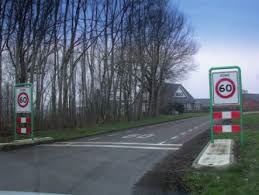
UK Theory Test candidates often say that the hazard perception section is the part they worry about most. It’s not because the concept is difficult—you simply watch a series of video clips and click when you identify a developing hazard. What catches many learner drivers out is the timing, the unfamiliar format, and not fully understanding what the DVSA examiners are looking for. With the right preparation and practice, however, passing this section becomes much more achievable.
The good news is that the UK Theory Test hazard perception section is one of the most trainable parts of the entire exam. Unlike memorising hundreds of UK Theory Test multiple-choice questions, hazard perception is a practical skill—and skills improve quickly with the right practice. In this UK Theory Test guide, we’ll explain exactly how the hazard perception test works in 2026, how the scoring system operates behind the scenes, and share more than 20 proven UK Theory Test hazard perception tips you can use in your very next practice session. Whether you’re taking the UK Theory Test for the first time or preparing for a retake, these expert strategies will help you build confidence and improve your chances of passing.
What Is the Hazard Perception Test?
The hazard perception test is the second half of the UK car theory test, sat immediately after the 50-question multiple-choice section, in the same appointment and at the same test centre. It was introduced to make sure new drivers can genuinely spot danger developing on the road ahead — not just recite Highway Code facts from memory.
During the test, you’ll watch a series of video clips filmed from a driver’s point of view, showing everyday road scenes: residential streets, junctions, dual carriageways, town centres. Somewhere in each clip, a developing hazard appears — a situation that would cause a competent, careful driver to take action, such as slowing down, changing position, or covering the brake. Your job is to click the mouse the moment you spot it starting to unfold.
It sounds simple, but the DVSA designed it specifically to separate drivers who are actively scanning the road from those who are only reacting once something has already gone wrong. That’s precisely why hazard perception tips around scanning technique and early recognition matter so much more than fast reflexes alone.
How the Hazard Perception Test Works in 2026
Test Structure
- You’re shown 14 video clips, each roughly a minute long, filmed in CGI (computer-generated imagery) rather than live action.
- 13 of the clips contain one developing hazard. One clip contains two developing hazards, bringing the total to 15 scoreable hazards across the test.
- Each clip plays only once — there’s no pausing, rewinding, or reviewing after the fact.
- Before the scored clips begin, you’re shown a short introductory video explaining exactly how to respond, so you’re never thrown in without instruction.
How You Respond
You click the mouse button as soon as you spot a hazard beginning to develop. The position of your cursor on the screen doesn’t matter at all — you’re not required to click on the hazard itself, just to register that you’ve seen it. This is one of the most reassuring hazard perception tips for nervous candidates: you don’t need pinpoint accuracy, only good timing.
Timing Within Each Clip
Every scoreable hazard has a scoring window — a short period after it starts developing during which your click earns points. Click right at the very start of that window and you’ll bank the maximum available points; click later in the window and your score for that hazard drops accordingly.
The Hazard Perception Scoring System Explained
This is the part most learners misunderstand, so it’s worth spelling out clearly.
How Points Are Awarded
- Each of the 15 scoreable hazards is worth between 0 and 5 points.
- The maximum possible score is 75 points (15 hazards × 5 points).
- The pass mark is 44 out of 75.
- Scoring works on a sliding scale: the earlier within the valid window you click, the higher your score for that hazard. Click right as it starts to develop, and you get the full 5 points; the longer you wait, the fewer points you receive, down to zero if you miss the window entirely.
Why Clicking More Doesn’t Help
Here’s where a lot of candidates go wrong trying to “beat” the system. It’s natural to think that clicking constantly throughout a clip will guarantee you catch every hazard — but the DVSA’s software is specifically built to detect this.
If you click in a regular pattern or repeatedly throughout a clip, the system flags it as an attempt to cheat the test, and you’ll score zero for that entire clip. This applies even if one of your clicks technically landed inside a valid scoring window. The system is looking for genuine, purposeful responses, not statistical luck.
The safer approach — and one of the most important hazard perception tips in this whole guide — is to click naturally each time you spot something that looks like it’s turning into a genuine hazard, rather than clicking on a timer or a rhythm.
One Click Per Hazard Is Enough
The first valid click recorded after a hazard starts developing is the one that counts. You don’t need to click multiple times to “confirm” you’ve seen it — one clear, deliberate click is sufficient.
What Is a “Developing Hazard”?
A developing hazard is any situation on the road that would cause a careful, competent driver to take some form of action — slowing down, changing road position, covering the brake, or preparing to stop.
It’s different from a static hazard, which is just a permanently present risk factor, like a road sign warning of a school ahead. Static hazards don’t score points. What examiners want to see is your ability to notice a situation actively changing into something requiring a response.
Typical examples of developing hazards include:
- A pedestrian at the kerb who begins to step out
- A car door on a parked vehicle starting to open
- A cyclist wobbling or glancing over their shoulder before pulling out
- A vehicle ahead braking or indicating unexpectedly
- A car emerging from a side road or driveway
- Brake lights illuminating on a vehicle further down the road
- A ball or animal appearing near the edge of the carriageway
The skill being tested is recognising the early warning signs — the moment a situation starts to shift — rather than waiting until the hazard is fully obvious to everyone in the car.
20+ Practical Hazard Perception Tips to Improve Your Score
We’ve grouped these hazard perception tips into four practical categories so you can work through them systematically.
Tips for Spotting Hazards Earlier
- Scan the whole scene, not just the centre of the road. Most learners fixate on the vehicle directly ahead. Deliberately sweep your attention across pavements, junctions, parked cars, and mirrors, just as you would when actually driving.
- Pay close attention to the edges of the screen. Many developing hazards first appear at the periphery — a pedestrian stepping off a kerb on the far side, or a cyclist emerging from a side street.
- Watch for movement before it becomes obvious. A slight shift in body position, a head turning, or a car’s wheels angling outward are all early tells.
- Treat parked vehicles as a zone of risk, not just background scenery — doors can open, and pedestrians frequently emerge from between them.
- Keep an eye on brake lights and indicators on vehicles ahead; they’re often the very first sign that something is changing.
- Learn to anticipate junctions and driveways as you approach them in each clip — this is where a high proportion of hazards originate.
- Watch for changes in road surface or layout, such as road works signage, since drivers around you often react to these before you consciously register them yourself.
- Don’t ignore the mirrors and background traffic — hazards aren’t always directly in your path; they can develop behind or alongside the driver’s viewpoint too.
Tips for Clicking Correctly
- Click the instant you notice something changing — don’t wait to see how the situation plays out.
- One confident click beats several uncertain ones. A single well-timed click scores properly; a burst of rapid clicks around it risks triggering the anti-cheating detection.
- Never click on a fixed rhythm (for example, every couple of seconds) — this is the single most common reason candidates lose an entire clip’s score.
- Don’t worry about where on the screen you click. Focus entirely on timing, not aim.
- If you’re unsure whether something is a genuine hazard, it’s usually safer to click once than not at all — provided you’re not falling into a repetitive pattern.
- Reset your focus completely between clips. Each clip is scored independently, so dwelling on a clip you think you missed only costs you concentration on the next one.
Tips for Staying Focused Throughout the Test
- Treat all 14 clips with equal seriousness. It’s easy to relax once you feel you’ve “got the hang of it,” which is exactly when concentration lapses happen.
- Sit with good posture and avoid slouching — genuine physical alertness supports mental alertness during a task that demands sustained attention.
- Use the optional short break between the multiple-choice and hazard perception sections to reset mentally, rather than rushing straight through.
- Avoid caffeine overload before the test. A jittery, over-caffeinated state can actually harm reaction timing and concentration rather than help it.
- Practise in a quiet, distraction-free environment in the run-up to your test so your brain associates focus with the hazard perception format.
- Remind yourself the clips can’t be replayed. Knowing there’s no second look at each clip helps keep your attention locked in from the very first second.
Tips for the Final Week Before Your Test
- Do a handful of full-length mock hazard perception tests, not just isolated clips, so you build stamina across all 14 in a row.
- Review your habits rather than just your scores. If you’re consistently clicking late, that’s a scanning issue; if you’re clicking too early or too often, that’s a discipline issue — the fix is different for each.
- Practise using a mouse rather than a touchscreen or trackpad, since this is what you’ll use on the day at the test centre.
- Get a good night’s sleep before the test. Hazard perception genuinely tests sustained visual attention, and tiredness affects this more than almost any other cognitive task.
Common Mistakes That Cause Candidates to Fail
Even well-prepared candidates fall into a handful of predictable traps:
- Overclicking to “cover all bases.” As covered above, rhythmic or repeated clicking zeroes out the entire clip — this is by far the most common self-inflicted mistake.
- Tunnel vision on the road directly ahead. Missing hazards that develop at the edges of the scene, particularly pedestrians and cyclists approaching from the side.
- Waiting for total certainty before clicking. By the time a hazard is completely obvious, the scoring window has often already closed or dropped significantly.
- Treating every static object as a hazard. Clicking on parked cars, signs, or pedestrians who show no sign of movement wastes attention without earning points.
- Losing concentration after a clip you think went badly. Each clip is scored independently — dwelling on a perceived mistake often causes you to miss the next genuine hazard.
- Relying only on YouTube clips rather than realistic, DVSA-style CGI footage. Older or unofficial video styles don’t always reflect the pacing and visual style used in the current test.
- Under-practising the multiple-choice section because all the focus goes on hazard perception. Remember, you must pass both sections in the same sitting — a strong hazard perception score won’t compensate for a failed multiple-choice section, or vice versa. For a full breakdown of that side of the test, see our guide on the UK theory test pass mark and retake rules.
The Best Ways to Practise Before Your Test
Start With Official DVSA Resources
Because the hazard perception test uses a specific scoring engine and CGI clip style, practising with official or officially aligned material makes a real difference:
- GOV.UK’s free practice hazard perception clip lets you try a genuine DVSA-style clip with real scoring feedback, completely free and with no account needed. It’s a good first step to understand the format before committing to a full study plan — visit GOV.UK’s theory test practice page to try it.
- The official DVSA Theory Test Kit, produced by the agency itself, includes a large library of interactive hazard perception videos built to match the real test’s format, pacing, and scoring logic far more closely than unofficial alternatives.
- GOV.UK’s official theory test guidance explains the rules, timings, and what to expect on the day in full — worth reading in full before your appointment at gov.uk/theory-test.
Build a Structured Practice Routine
- Little and often beats last-minute cramming. Short, focused 15–20 minute sessions most days train your attention far more effectively than occasional long sessions.
- Mix isolated clip practice with full 14-clip mock tests so you’re comfortable with both the skill itself and the sustained concentration the real test demands.
- Practise commentary driving as a passenger. Narrating hazards out loud on ordinary journeys — “cyclist ahead, might pull out,” “brake lights on the van” — builds the same scanning habits the test is measuring.
- Review your provisional licence details are correct and up to date before booking, so nothing holds up your test day. If you need to update anything, our guides on replacing a lost UK driving licence or updating your name on a UK driving licence cover the process step by step.
What Happens After You Pass the Theory Test?
Passing both the multiple-choice and hazard perception sections earns you a theory test certificate, valid for two years. Within that window, you’ll need to:
- Book and pass your practical driving test. You cannot book a practical test without a valid theory pass, so it’s worth booking reasonably promptly once you’re confident and have had sufficient lessons.
- Keep practising your hazard awareness in real driving lessons, since the skills tested on-screen are directly transferable to actual road driving — spotting hazards early is just as valuable behind the wheel as it is on a test centre monitor.
- Watch the two-year clock. If you don’t pass your practical test within two years of your theory pass, the theory certificate expires and you’ll need to sit (and pass) the theory test again, hazard perception included, before you can rebook your practical.
For more detail on certificate validity, retake rules, and booking, see our full guide to the UK theory test pass mark, retakes and booking rules.
Frequently Asked Questions
What is a good hazard perception score to aim for? The pass mark is 44 out of 75, but aiming for a comfortable buffer above that in your mock tests — around 55–60 — helps absorb any nerves on the actual test day.
How many hazards are there in the UK theory test? There are 15 scoreable developing hazards spread across 14 video clips. Thirteen clips contain one hazard each, and one clip contains two.
Can I fail the hazard perception test by clicking too much? Yes. Clicking repeatedly or in an obvious pattern throughout a clip is treated as an attempt to game the system, and you’ll score zero for that clip, even if one click happened to land in a valid window.
Does it matter where on the screen I click? No. The location of your click is irrelevant — only the timing matters. You don’t need to click directly on the hazard itself.
Can I replay or pause a clip if I miss something? No. Each clip plays once, in full, with no option to pause or rewind, which is why sustained concentration across all 14 clips is so important.
Is the hazard perception test harder than the multiple-choice section? Many candidates find it more challenging simply because it’s a less familiar format than answering questions, but with structured practice it becomes very learnable — it’s a skill, not a knowledge test.
How long is a hazard perception test pass valid for? Your theory test certificate, covering both sections, is valid for two years. You must pass your practical driving test within that period.
What happens if I fail only the hazard perception section? You’ll need to retake the entire theory test, including the multiple-choice section, even if you passed it comfortably — there’s no partial pass carried forward.
Are hazard perception clips the same for car and motorcycle tests? The format is similar, but the specific clips and scenarios are tailored to the vehicle category being tested, so make sure any practice material matches the licence type you’re going for.
Where can I find official practice hazard perception clips? GOV.UK offers a free official practice clip, and the DVSA’s own Theory Test Kit provides a much larger official practice library built to mirror the real test’s style and scoring.
Final Thoughts
Hazard perception isn’t about having lightning reflexes — it’s about training yourself to genuinely scan the road the way a careful, experienced driver does. The scoring system rewards early, deliberate recognition of danger, and penalises both hesitation and attempts to game the format with repeated clicking. With the right mix of official DVSA practice material, realistic mock tests, and the hazard perception tips in this guide, it’s a section of the theory test you can walk into with real confidence.
If you’re getting ready to book your theory test, sort out a licence issue, or want a clear breakdown of the multiple-choice pass mark and retake rules, take a look at the rest of our UK theory test and driving licence guides — and if you need support with anything from booking a test to sorting out your licence, get in touch with our team today.
Suggested internal links to add once URLs are confirmed
- UK theory test pass mark, retakes and booking rules (2026 Guide) — already published, referenced twice above
- Your existing “UK Free Driving Theory Test” post
- Your existing “About UK Driving Theory Test” post
- Your existing “How to Replace a Lost UK Driving Licence” post
- Your existing “How to Update Your Name on a UK Driving Licence” post
- Your theory test booking service page
(I’ve linked to these by description above since I don’t have your confirmed live URL slugs for each — swap in the real paths before publishing.)