Support WhatsApp: +44 785 643-7247

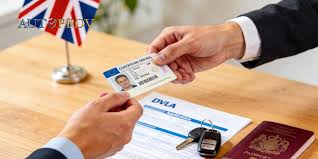
can you drive abroad with a full uk driving licence?
Packing for a driving holiday usually means checking the obvious things passport, tickets, the right adaptor plug. What trips people up is the paperwork around the car itself. A full UK driving licence gets you a long way, but “a long way” isn’t the same as “everywhere,” and the rules shift depending on which continent you’re heading to.
Here’s the practical, country-by-country answer to whether you can drive abroad with a full UK driving licence, when you’ll need an International Driving Permit on top of it, and the handful of “hidden” essentials like the DVLA check code that catch out even experienced travellers.
Can You Drive Abroad with a UK Driving Licence?
In short: yes, in most places, your UK photocard licence alone is enough. The complications tend to appear in three specific situations countries outside Europe with their own local rules, anywhere still expecting older paper licences to be paired with a translation, and rental companies applying stricter conditions than the law technically requires.
The table below breaks this down properly.
| Destination | UK Photocard Licence Only? | IDP Required? | Notes |
|---|---|---|---|
| England, Scotland, Wales, Northern Ireland | Yes | No | Domestic driving |
| Republic of Ireland | Yes | No | Mutual recognition applies; no UK sticker needed either |
| Most EU Countries | Usually Yes | Usually No | Photocard licence holders generally don’t need an IDP; paper licence holders often do |
| Spain, Cyprus, Malta | Usually Yes | Sometimes | These fall under the 1949 Convention; paper licence holders typically need a 1949 IDP |
| Switzerland | Usually Yes | Usually No | Verify before travel |
| Norway | Usually Yes | Usually No | Paper licence holders may need a 1968 IDP |
| Iceland | Usually Yes | Usually No | Verify before travel |
| United States | Varies by state | Sometimes | Some states and most rental firms recommend or require a 1949 IDP |
| Canada | Varies by province | Sometimes | Check the specific province and rental company policy |
| Australia | Varies by state | Sometimes | Check local requirements; commonly requires a 1949 IDP alongside your UK licence |
| New Zealand | Usually Yes | Sometimes | Depends on your licence format and length of stay |
| Japan | No | Special requirements apply | UK licences aren’t directly recognised; Japan follows the 1949 Convention, so an IDP is required |
| UAE | Varies | Sometimes | Check emirate-specific guidance before travel |
| Other destinations | Varies | Varies | Always check current GOV.UK and FCDO travel advice |
A few things worth flagging about this table: it reflects the legal minimum, not what a car hire company might separately insist on. Rental firms routinely ask for an IDP even where local law doesn’t strictly require one, purely as an internal policy to protect their own insurance position. Always check both.
Driving in Europe After Brexit
This is where most of the confusion sits, so it’s worth untangling properly.
What Changed
Since Brexit, the automatic mutual recognition arrangements that once applied UK-wide across the EU were replaced with individual agreements. In practice, this means most EU countries still accept a UK photocard licence without an IDP, but a small number notably Spain, Cyprus, and Malta sit under a different international agreement (the 1949 Convention), which mainly affects paper licence holders rather than photocard holders.
What Stayed the Same
If you hold a standard UK photocard licence and you’re taking a short trip, most of Europe genuinely hasn’t changed much for you in practical terms. The bigger shift has been around vehicle identification: the old GB sticker and plate identifier is no longer recognised under current international road traffic rules, and has been replaced by a UK identifier, either built into compliant number plates or shown as a separate sticker. drive abroad with UK licence,
Common Misconceptions
- “I need an IDP for the whole EU.” Not generally true for photocard licence holders it mainly applies to Spain, Cyprus, Malta, and to paper licence holders more broadly.
- “My GB sticker is still fine.” It isn’t. If your plate shows GB (with or without the EU stars), or has no flag/identifier at all, you need a UK sticker or UK-badged plates instead.
- “Ireland works the same as the rest of the EU.” Actually simpler Ireland doesn’t require a UK sticker or IDP at all for UK licence holders. how to change address on uk driving licence
Understanding International Driving Permits (IDPs)
An IDP is not a driving licence — it’s a standardised, multi-language translation of your UK licence, and it must always be carried alongside your original licence, never instead of it.
1949 Convention IDP
- Validity: 12 months from issue
- Typical destinations: the USA, Australia, Japan, and countries under the older Geneva Convention framework, including Spain, Cyprus, and Malta within Europe
- When UK travellers need it: most commonly for trips outside Europe, or for paper licence holders travelling to the three EU countries above
1968 Convention IDP
- Validity: 3 years, or until your UK licence expires if that’s sooner
- Countries covered: most of the rest of the EU, plus Norway and Switzerland
- Why it’s the most common permit for Europe: it covers the majority of European destinations under a single, longer-lasting document
- Difference from the 1949 permit: longer validity and a different, more modern convention framework, covering a distinct (though overlapping) set of countries
1926 Convention IDP
This is largely a legacy permit today, relevant to only a small handful of destinations still operating under the older 1926 Paris Convention. Most UK travellers will never need it, but if your itinerary includes one of these rarer destinations, it’s worth checking specifically on GOV.UK before you travel. dvla delay driving licence after medical
IDP Comparison Table
| IDP Type | Validity | Typical Countries | When Required |
|---|---|---|---|
| 1949 Convention | 12 months | USA, Australia, Japan, Spain, Cyprus, Malta | Non-EU trips, or paper licence holders visiting the three named EU countries |
| 1968 Convention | 3 years (or until licence expiry) | Most of the EU, Norway, Switzerland | Mainly relevant to paper licence holders, or as a precaution for photocard holders |
| 1926 Convention | 12 months | A small number of legacy destinations | Rare; check specifically for your destination |
Where to Get an IDP
- Eligibility: you must hold a full UK driving licence and be 18 or over
- Required documents: your photocard licence, a passport-style photo (for paper licences), and proof of identity
- Current official fee: £5.50 per permit
- Where to apply: through the Post Office, which has historically been the designated issuer under arrangement with the DVLA always confirm the current issuing channel and participating branches on GOV.UK before travelling, since this arrangement has been reviewed and can change
- Processing time: typically issued on the spot at the counter
- Appointments: generally not required, though it’s sensible to check with your chosen branch in advance
Always confirm the latest issuing locations, fees, and eligibility on GOV.UK before applying this is one area where relying on an out-of-date blog post can genuinely cost you time at the counter. fee to change details on uk driving licencefee to change details on uk driving licence
Hiring a Car Abroad
Minimum Age Requirements
Many rental companies set a minimum age of 21, and some raise this to 25 for certain vehicle categories, regardless of how long you’ve held your licence.
Rental Company Rules
Rental firms frequently apply stricter requirements than local law demands — an IDP being the classic example purely to satisfy their own internal insurance conditions.
Insurance
Check exactly what’s covered before you drive off, particularly around excess, cross-border cover, and whether you need additional protection beyond the rental firm’s basic policy.
Credit Card Requirements
Most international rental companies require a credit card (not a debit card) in the lead driver’s name, both for the deposit and as a condition of the booking itself.
Additional Driver Rules
Adding a second driver to the rental agreement almost always incurs an extra fee, and that driver needs to meet the same age, licence, and (where relevant) IDP requirements as the lead driver. UK photocard driving licence
The ‘Hidden’ Essentials Rental Firms Actually Check
These are the details that catch out otherwise well-prepared travellers.
The DVLA Check Code
Since the paper counterpart to the UK photocard licence was abolished back in 2015, your licence alone doesn’t show your penalty points or entitlements. Hire companies in the UK and, increasingly, staff at international rental desks familiar with UK licences rely on a DVLA check code instead. You generate this through the View Driving Licence service on GOV.UK, using your licence number, National Insurance number, and postcode. The code is valid for 21 days and can only be used once, so generate a fresh one shortly before you travel rather than weeks in advance. can i change name and address together on licence ,
Vehicle Insurance Certificates
If you’re taking your own car abroad rather than hiring one, carry proof of valid motor insurance. Since the UK operates within international insurance recognition arrangements for most of Europe, a separate Green Card typically isn’t required for standard trips, but it remains worth confirming directly with your own insurer before travelling, particularly for longer stays or less common destinations.
UK Car Stickers and Number Plates
If your car’s number plate doesn’t display a UK identifier alongside a Union flag, you’ll need a separate UK sticker on the rear of the vehicle. This replaced the older GB sticker system, and driving with an outdated GB sticker in parts of Europe can result in an on-the-spot fine. Spain, Cyprus, and Malta require a UK sticker regardless of what’s on your number plate, while Ireland requires neither a sticker nor an IDP for UK licence holders.
Vehicle Registration (V5C)
If you’re driving your own car abroad, bring the original V5C logbook, not a photocopy some border checks and rental comparisons specifically ask for the original document.
Documents to Carry When Driving Abroad
- UK photocard driving licence
- Valid passport
- IDP, if required for your destination
- Vehicle registration document (V5C), if using your own car
- Motor insurance certificate
- Rental agreement, if applicable
- A DVLA check code, generated shortly before travel
- Emergency contact details
Common Mistakes to Avoid
- Assuming every EU country has identical rules. Spain, Cyprus, and Malta genuinely differ from the rest of the bloc.
- Forgetting an IDP where one is actually required, particularly for destinations outside Europe.
- Ignoring rental company conditions that go beyond what local law technically demands.
- Travelling with an expired or soon-to-expire licence, which can cause problems even where the destination country itself wouldn’t otherwise be an issue.
- Not checking local road laws, including speed limits, toll systems, and low emission zone requirements, well before arrival.
- Generating a DVLA check code too early. It only lasts 21 days, so timing it close to your travel date matters.
Frequently Asked Questions
Can I drive in Europe with a UK driving licence? Yes, in most EU countries your standard UK photocard licence is enough on its own. The main exceptions are Spain, Cyprus, and Malta, which sit under a different international convention and may require an IDP, particularly for paper licence holders.
Do I need an International Driving Permit? It depends on your destination. Most EU countries don’t require one for photocard licence holders, but countries like the USA, Australia, and Japan commonly do, and some rental companies request one regardless of the local legal position.
What is the difference between the 1949 and 1968 IDPs? The 1949 IDP is valid for 12 months and covers destinations including the USA, Australia, Japan, Spain, Cyprus, and Malta. The 1968 IDP is valid for three years (or until your licence expires) and covers most of the rest of the EU, plus Norway and Switzerland.
Where can I get an IDP in the UK? IDPs are issued in person, historically through the Post Office under arrangement with the DVLA. Always confirm the current issuing locations and process on GOV.UK before applying, since this arrangement is periodically reviewed.
How much does an IDP cost? The current official fee is £5.50 per permit. If your trip crosses multiple conventions, you may need more than one IDP, each purchased and issued separately.
Can I hire a car abroad with a UK licence? Generally yes, though rental companies often add their own requirements on top of local law, such as requesting an IDP, a minimum age, or a credit card in the lead driver’s name for the deposit.
Do car rental companies have age limits? Yes, commonly a minimum age of 21, rising to 25 for certain vehicle categories. This applies regardless of how long you’ve held your full licence.
Can I drive in the USA with a UK licence? Often yes for shorter stays, though this varies by state, and many rental companies recommend or require a 1949 Convention IDP alongside your UK licence as standard practice.
Can I drive in Australia with a UK licence? Generally yes for visitors, though rules vary by state and length of stay, and a 1949 Convention IDP is commonly requested by rental companies and sometimes required by local authorities.
What documents should I carry when driving abroad? Your UK photocard licence, valid passport, an IDP if required for your destination, motor insurance certificate, vehicle registration document if using your own car, and a recently generated DVLA check code if hiring a vehicle.
Conclusion
For the vast majority of UK holidaymakers, the honest answer to whether you can drive abroad with a full UK driving licence is a straightforward yes your photocard alone covers most of Europe without extra paperwork. The details that actually catch people out tend to be smaller than expected: an outdated GB sticker, a DVLA check code generated too early, or assuming Spain and Cyprus follow exactly the same rules as the rest of the EU. Check your specific destination against current GOV.UK and FCDO guidance before you travel, and the rest of the trip really is just about picking up the keys.